

A business records the cost of intangible assets in the assets section of the balance sheet only when it purchases it from another party and the assets has a finite life. Both amortization and depreciation expenses are tax-deductible, reducing a company’s taxable income. However, tax regulations often permit accelerated depreciation methods that allow larger deductions in early years, improving short-term cash flow through tax deferral. Amortization is similar to depreciation in that it’s used to spread the cost of an asset over a period of time.
Key Differences Between Depreciation and Amortization
- Finally, accumulated depreciation will match the balance sheet with its resale value, also called salvage value.
- Detailed planning helps ensure that you capture the value your assets bring to the business while understanding the impact they’ll have on your financials over time.
- For example – A coal mine has 10 Million tonnes of coal and the coal extraction is happening at the rate of 1 Million tonnes per year.
- A typical mistake is someone buying a business and trying to deduct the goodwill immediately, which is not allowed.
- The loan amortization process includes fixed payments each pay period with varying interest, depending on the balance.
But straight-line and accelerated depreciation are both common accounting methods. The IRS requires businesses to follow specific regulations in order to be able to deduct the costs of business assets (the IRS calls them “property”). A proprietary process is an intangible asset that arises from a company’s unique way of producing a product or providing a service.
Planning for Asset Depreciation and Amortization
These Fixed Assets may be referred to as Property, Plant, and Equipment assets or PP&E. Also, the company will need to compute all costs to extract these resources. Then, the number of extracted units is multiplied by the depletion charge to calculate the yearly depletion cost. The cost depletion method will require calculating the total resource endowment.
- Components of the calculations and how they’re presented on financial statements also vary.
- A limited amount of these costs may be deducted in the year the business first begins.
- Accordingly, the depreciation method used has a strong impact on the financial result.
- In accrual accounting, depreciation and amortization are recognized as expenses on the income statement, even though no cash is exchanged.
- Understanding these underlying differences is more than just academic; it directly influences how you record and report expenses and assets in your financial statements.
- The notes may contain the payment history, but a company must only record its current level of debt, not the historical value less a contra asset.
Amortized vs. Depreciation
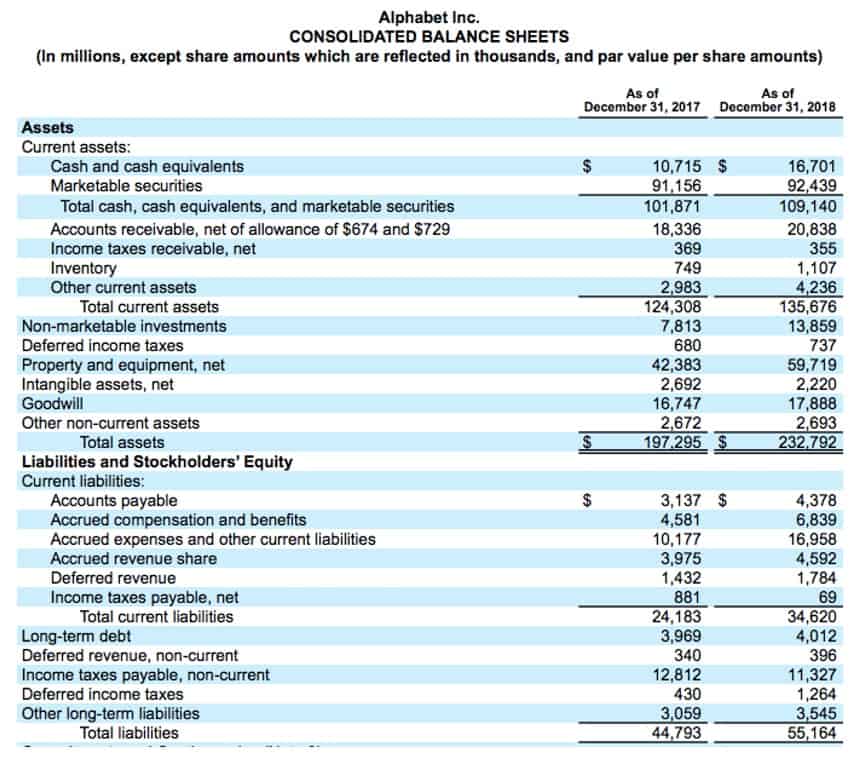
For instance, the recorded value of a company’s inventory, a current asset, can be written down partially on the books or completely wiped out based on the estimated fair value. The former is termed an “inventory write-down”, while the latter is called an “inventory write-off”. A business might buy or build an office building and use it for many years. The original office building may be a bit depreciation vs amortization rundown, but it still has value. The cost of the building minus its resale value is spread out over the predicted life of the building, with a portion of the cost being expensed in each accounting year.
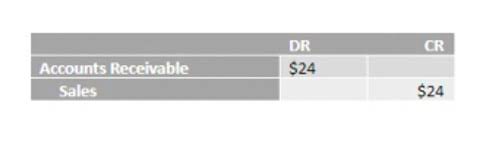
Difference between depreciation and amortization
It is important to note that depreciation is not a cash expense, but rather an accounting expense that affects the financial statements. However, it can have an impact on cash flow as it reduces taxable Suspense Account income and may result in lower tax payments. You can also use the straight-line method to depreciate tangible assets. You start by calculating the depreciable basis (acquisition cost minus salvage value). Then you divide the depreciable basis by the number of years in the IRS’s designated recovery period.
Under the Internal Revenue Code Section 197, for example, most intangibles are amortized on a straight-line basis over 15 years. Always verify with current tax codes as these periods are subject to legal stipulations and may differ between asset types. Different industries may favor specific methods based on asset utilization patterns and economic benefits they derive over time from their assets. The premise of the amortization of intangible assets is that the consumption of an intangible asset over time causes its value to drop, which should be reflected in the financial statements. Within the lease accounting world, there are several terms that often get confused. Both depreciation and amortization refer to the process of allocating the cost of an asset over its useful life.

Depreciation vs. Amortization: Know the Difference
The difference between depreciation, depletion and amortization depends on the type of asset in question. The method in which to calculate the amount of each portion allotted on the balance sheet’s asset section for intangible assets is called amortization. While often used interchangeably in conversation, amortization and depreciation represent distinct accounting concepts that serve different purposes. They both allocate costs over an asset’s useful life, but the type of assets they apply to and their implementation methods differ significantly. Depreciation and amortization are essential tools for businesses and investors alike.

Calculating Accelerated and Straight-Line Depreciation
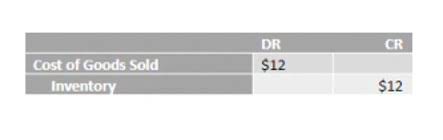
Goodwill is an intangible asset that arises when one company acquires another company for a price that is higher than the fair market value of the acquired company’s net assets. If the fair value of the reporting unit is less than its carrying amount, an impairment loss is recognized. Amortization is calculated based on the cost of the asset, its useful life, and its estimated economic value at the end of its useful life. The cost of the asset is reduced over time, and the reduction in value is recorded as amortization expense on the income https://www.bookstime.com/ statement.